Social media is full of influencers and accounts that appear to promote wellness, fitness, and eating disorder (ED) recovery. However, beneath the surface, many of these so-called “recovery” journeys perpetuate harmful behaviours. Inspired by posts from Ro Mitchell and Emily Jane Fairs, both of whom have spoken out about the rise of fake ED recovery accounts, I felt compelled to address this trend. These accounts often swap one form of restriction for another, framing extreme clean eating and excessive exercise as a pathway to health. But in reality, this is a dangerous rebranding of disordered habits, with many still trapped in cycles of food fear and body obsession. True recovery, however, involves more than just restricting “clean” foods and hitting the gym — it’s about balance, freedom, and self-compassion.
I don’t know if anyone here is following my social media pages, but because of this rise in fake accounts and furthered disordered habits being shared here, there, and everywhere, I’ve decided to take a step back from posting about ED recovery, as I am aware that these posts (and here on the blog) can sometimes do more harm than good. Some might say my posts are triggering and showing signs of disordered eating even in recovery, and with the relapses I’ve had this year, I’ve made the decision to stop sharing this as often.
Anyways, let’s get into it.
What is Fake ED Recovery?
In the context of eating disorders, “fake recovery” can mean a lot. I often talk about my experience in “pseudo-recovery”, trading the gym for long walks and home workouts, and only eating “clean” foods. I look back on that time of my recovery journey and think that that truly was a “fake recovery”.
On social media, more and more pages are coming about with girls sharing their recovery journeys, only to share more restriction and rigid exercise regimes, with little thought on how this would affect their followers who are also going through recovery.
How do you know if an account is sharing a “fake recovery” journey?
There are subtle and also obtuse signs. These accounts oftentimes may not reflect genuine recovery. I understand that recovery is not a one-size-fits-all approach, but restrictive eating, showing low-calorie meals, focusing on protein, and an obsession with macros or “safe” foods probably won’t help with the relationship we have with food in the long run. These accounts also are often about the creator’s journey in weightlifting or aiming to run a (half) marathon. Although these goals are good, and can help to realign our relationship with exercise, promoting that this is a good way out of an eating disorder can definitely spark some triggers for a lot of their followers.
Be careful of whom you follow online. I used to follow plenty of these “fake recovery” accounts, and not long ago decided to take the plunge into my following list and remove them all, as they served no purpose other than a trigger to me. Some people in recovery are a lot more triggered than others, but nonetheless, find what works for you. And, hey, I’m not saying that exercise in general is bad – exercise is good, and things like weightlifitng and focusing on protein goals can help us, but not always/the majority of the time. And as I have said, my page has exhibited some pseudo-recovery behaviours, but I have realised this and taking a step back.
How Restriction is Repackaged
Clean Eating as the New Restriction
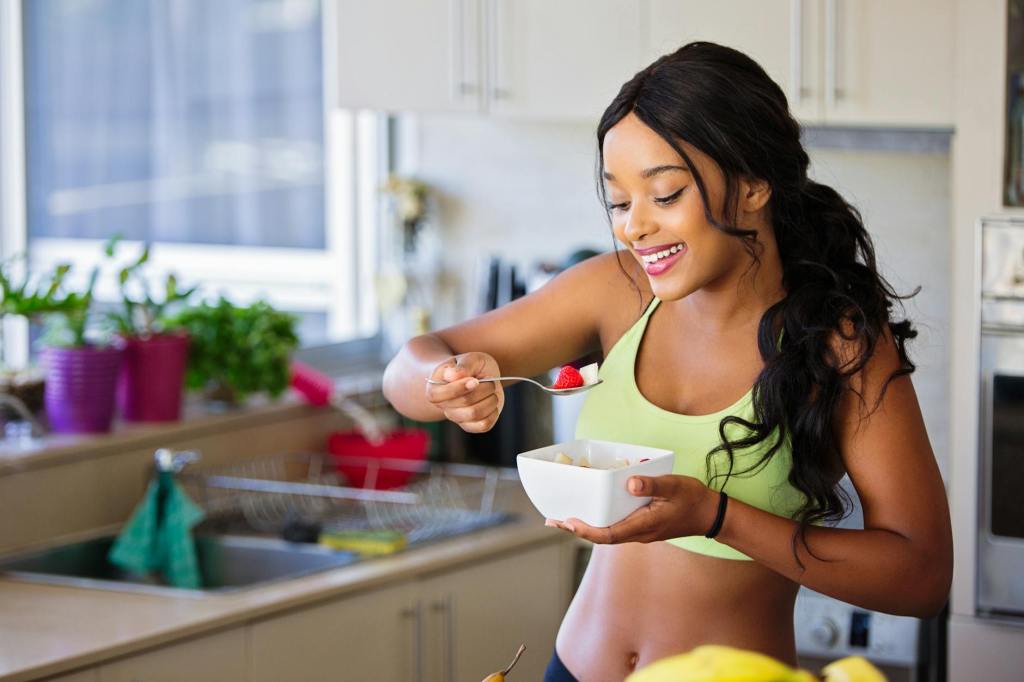
The rise of “clean eating” in wellness culture has provided a socially acceptable way for individuals to continue restrictive eating habits, often under the guise of health. Fake ED recovery accounts commonly feature carefully curated meals that focus almost exclusively on low-calorie, nutrient-dense foods like vegetables, lean proteins, and minimal carbs. While these foods can be part of a balanced diet, the rigid focus on only “clean” or “safe” foods is simply a repackaged version of restriction. For example, these accounts rarely show high-calorie, “indulgent” meals (that are completely normal and we should all have in our diets!), reinforcing the idea that only certain foods are acceptable, which mirrors the controlling mindset of an eating disorder.
This obsession with clean eating often crosses into orthorexia, a condition characterised by an unhealthy preoccupation with only eating foods deemed pure or healthy. Many of these accounts frame restrictive food choices as part of their recovery, but in reality, they are still tightly bound to food rules and fear-based eating. The portion sizes shown are frequently minimal, and the variety of food groups is limited, signalling that these individuals may not have fully moved beyond restrictive behaviours.
Again, I’m not scrutinising these girls, as I know how hard ED recovery can be, and this is what may work for them to begin with… until they realise that this too is a far cry from true ED recovery.
Fitness Obsession: A New Form of Control
In addition to their restrictive food choices, many fake recovery accounts shift the focus of their control to exercise. Weightlifting and excessive cardio, particularly running, are often presented as essential parts of their “recovery” routine. While fitness can be a healthy part of healing, these accounts tend to promote an obsessive approach to exercise, not as a way to feel strong or healthy, but as a method of maintaining a certain body image or controlling food intake.
For example, many influencers on these accounts will heavily emphasise burning calories, tracking workouts, or pushing their bodies through intense fitness regimes. Weightlifting is sometimes promoted not as a way to feel empowered, but as a means to achieve a lean physique, which, combined with restricted eating, sends the message that appearance is still the ultimate goal. Running can become another form of control, used to “earn” food or maintain weight, rather than being embraced as an enjoyable or balanced activity.
This approach to exercise, of still having a fixed regiment, whether that’s training for a half marathon, or getting PBs in squats or deadlifts, can be harmful. Recovery should be about training your mind to listen to your body and exercise when you want to and in the way you want to. I learnt this the hard way (and it is hard), and starting out here too with a huge focus on macros and weightlifting.
The Hidden Continuation of Restrictive Behaviours
Under the guise of health and fitness, fake recovery accounts perpetuate a cycle of control over food and exercise. By packaging this lifestyle in the language of wellness, these influencers create a narrative where recovery is not about finding freedom and balance, but rather about adhering to a different, yet equally harmful, set of rules. Restricting calories through “clean” eating and obsessive exercise routines are merely replacements for the traditional restriction associated with eating disorders, making it harder for followers to recognise the harm.
True recovery involves learning to trust your body, eating a wide variety of foods without guilt, and exercising for enjoyment rather than punishment. Unfortunately, these fake recovery accounts fail to embrace that, choosing instead to maintain an image of perfection and control that keeps them, and their followers, locked in a disordered mindset.
The Impact of Fake ED Recovery Accounts
Misleading Followers
Fake recovery accounts, and they are almost always unintentional, mislead their followers by presenting a distorted version of what eating disorder recovery looks like. For individuals genuinely trying to heal, these accounts can set up unrealistic and harmful expectations. Instead of showcasing freedom from food rules, they often highlight a continued preoccupation with restrictive eating patterns and an obsessive focus on fitness. Followers may begin to believe that true recovery must involve perfect adherence to clean eating or intense workouts, creating a cycle where restrictive behaviours are maintained under the guise of health.
This is especially harmful for those vulnerable to disordered eating or those in the early stages of recovery, who may be looking for role models and guidance. When followers are exposed to influencers who promote restriction as “healthy” or “wellness,” they might adopt similar habits, leading them to a prolonged struggle with food and exercise. The normalisation of these behaviours can further entrench unhealthy patterns, leaving many trapped in a cycle of undernourishment and over-exercising, masked by the false belief that they are pursuing wellness.
Why Authentic Recovery Representation Matters
Body Positivity and Food Freedom
NB: There is no one-size-fits-all in recovery, but from my experience the below is how I view recovery (generally from anorexia / exercise addiction):
Authentic recovery is about learning to enjoy all foods without guilt and moving your body in ways that bring joy, rather than adhering to strict food rules or punishing workout regimens. It’s about embracing flexibility, enjoying meals with friends and family, and letting go of the obsession with “good” vs. “bad” foods. Influencers who genuinely show this process help break down the barriers of diet culture, and give followers a more realistic and hopeful vision of recovery.
Showing the ups and downs, the messy middle, and the emotional journey of recovery is essential for setting healthy expectations. Followers need to understand that recovery isn’t about achieving a certain body type or eating “perfectly,” but about developing a compassionate relationship with food and exercise. Representation of recovery should highlight the freedom that comes from letting go of food fear and the pressure to look a certain way.
The Role of Social Media
While fake recovery accounts can do harm, social media also has the potential to be a force for good in the recovery space. There are influencers and accounts that focus on body neutrality, food freedom, and mental well-being. They promote self-acceptance, showing their audience that health is about balance and not about restricting food or over-exercising to meet unrealistic body ideals. These accounts can help followers develop a more balanced, healthy view of recovery.
It’s important for users to learn to critically evaluate the content they consume and recognise when something may not be promoting genuine well-being. Encouraging an open dialogue about the harms of fake recovery accounts and the importance of following accounts that support true recovery can help shift the social media landscape in a positive direction.
Conclusion
The influencers behind fake ED recovery accounts may not intend to cause harm, but by using buzzwords like “wellness” and “ED recovery,” they captivate followers with a distorted view of what healing from an eating disorder truly looks like. Though their actions are not malicious, the impact is still harmful, as they inadvertently perpetuate restrictive behaviours and exercise addiction. My hope is that these influencers realise the damage being done and seek the help they need to find a more balanced, fulfilling recovery—one that is truly free from restriction and obsession. True wellness is about freedom, not control, and both influencers and followers deserve to experience that.
*Disclaimer: this post isn’t designed to yell at fitness influencers, nor is it to scrutinise other people’s eating / exercise habits. The purpose of this post is to shed light on the concept of being cautious of whom we follow online, and that one post that might help one person, won’t help the next.

Leave a comment