
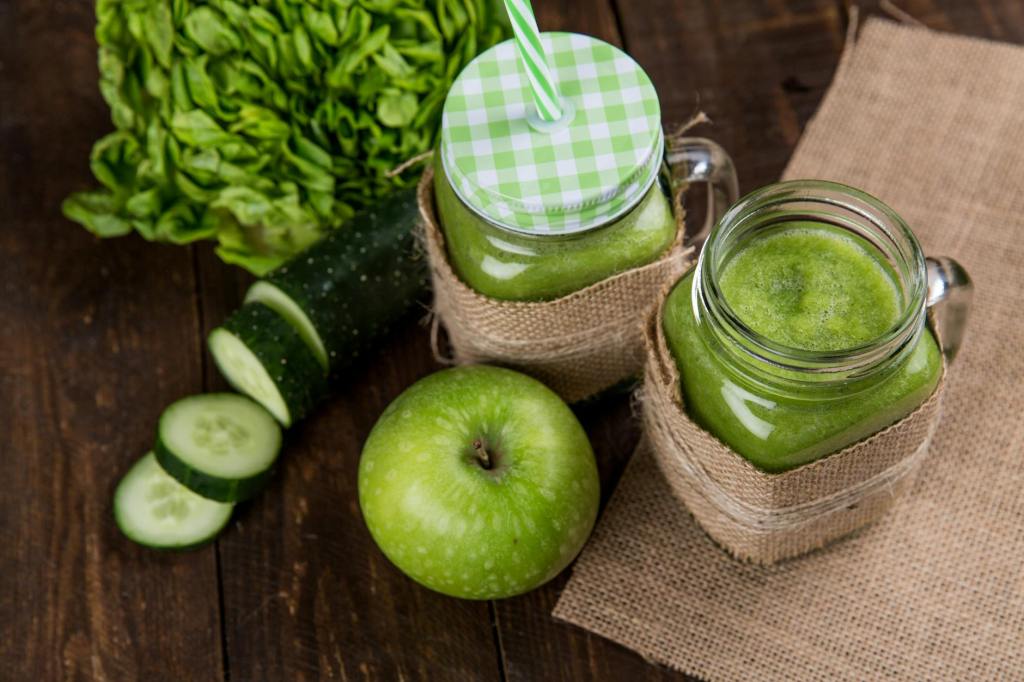
In the ever-evolving wellness world, it’s hard to distinguish between trends that actually work and those that are all hype. Whether it’s greens powders, ACV gummies, or the latest workout supplements, there’s a lot of information (and misinformation) out there. Let’s dive into some popular wellness trends, backed by data, to figure out what’s worth trying and what might be just marketing magic.
1. Greens Powders (Like FreeSoul)
What’s the Deal?
Greens powders like FreeSoul promise to deliver a concentrated dose of vitamins, minerals, and antioxidants from a blend of fruits, veggies, and superfoods. They’re marketed as a quick fix for anyone not getting enough nutrients from their diet.
The Science:
A 2021 review of superfood supplements found that greens powders can improve antioxidant levels, which help fight oxidative stress in the body, a contributor to aging and chronic diseases . While greens powders can fill some gaps, they don’t contain all the benefits of whole vegetables, like fiber.
Verdict: Works (with a catch). Greens powders can be useful if you’re low on fresh produce, but they’re not a replacement for whole foods. For best results, pair your greens powder with a balanced diet that includes a variety of fruits and vegetables.
2. Apple Cider Vinegar (ACV) Gummies
What’s the Deal?
ACV has been hyped for years as a miracle ingredient for everything from digestion to weight loss. The gummy version makes it easier to consume without the harsh taste or acidity of the liquid form.
The Science:
Some studies suggest that ACV can improve blood sugar control and may help with weight management when paired with a healthy diet . However, the research is limited, and most studies have been done on liquid ACV, not gummies. Plus, many ACV gummies contain added sugars, which can reduce the potential benefits.
Verdict: Hype. While ACV may offer some benefits, the gummy form is more about convenience than true health impact. If you want the potential health benefits, the liquid form is a better option—just be cautious of overconsumption due to its high acidity.
3. Pilates
What’s the Deal?
Pilates has gained popularity for its ability to strengthen the core, improve posture, and enhance flexibility without the high-impact stress on joints. It’s seen as an effective full-body workout that’s adaptable for all fitness levels.
The Science:
Research shows that Pilates can increase core strength, flexibility, and balance. A 2016 study found that participants who practiced Pilates for eight weeks saw significant improvements in abdominal endurance and upper-body strength . It’s also linked to mental health benefits, as the focus on breathwork and controlled movements can reduce stress and anxiety .
Verdict: Works. Pilates is an excellent low-impact workout that builds long, lean muscles, improves flexibility, and enhances mental well-being. Whether you’re a beginner or experienced athlete, Pilates can provide real results.
4. Gym Supplements: Creatine, Pre-Workout, and Protein Powder
What’s the Deal?
Gym-goers often rely on supplements like creatine, pre-workout, and protein powder to boost performance and recovery. But are they really necessary?
- Creatine: One of the most researched supplements, creatine is proven to improve strength and power output during high-intensity activities like weightlifting . A study published in the Journal of the International Society of Sports Nutrition showed that creatine can increase muscle mass and enhance recovery .
- Pre-Workout: These supplements contain ingredients like caffeine and beta-alanine to boost energy and endurance. A 2018 study found that pre-workout supplements improved workout performance and focus , but their effectiveness varies based on individual tolerance.
- Protein Powder: While it’s possible to get all your protein from food, protein powder is a convenient way to ensure you hit your protein goals, especially after a workout. A 2014 meta-analysis found that post-workout protein supplementation increases muscle size and strength .
Verdict: Works—but only if you’re training seriously. Creatine, pre-workout, and protein powder can be beneficial for those looking to maximize strength gains, endurance, and recovery. If you’re just starting out or not doing intense workouts, you may not need them.
5. Blue Light Glasses
What’s the Deal?
Blue light glasses are marketed as a way to reduce eye strain from digital screens, improve sleep, and protect your eyes from the harmful effects of blue light exposure.
The Science:
A 2021 review found that blue light exposure from screens may contribute to digital eye strain, but the research on blue light glasses is still inconclusive . While they may reduce some discomfort, there’s no strong evidence that they prevent long-term damage or drastically improve sleep.
Verdict: Hype. If you’re experiencing eye strain, it’s more effective to take regular breaks from screens and adjust your screen brightness. Blue light glasses might provide some relief, but they’re not a cure-all.
6. Manifesting and Journaling
What’s the Deal?
Manifesting and journaling have gained traction as powerful tools for mental well-being and goal-setting. Manifesting focuses on visualizing your goals and putting positive energy towards achieving them, while journaling helps with self-reflection and clarity.
The Science:
While manifesting might seem a bit “woo-woo,” there is some psychological backing to the idea. Visualization and setting clear intentions can help increase motivation and focus. A 2011 study showed that writing down goals increases the likelihood of achieving them by 42% . Journaling, in particular, has been shown to reduce stress and improve mental clarity .
Verdict: Works. Manifesting and journaling can be helpful tools for mental health and achieving personal goals. While they may not magically bring your dreams to life, they can foster a positive mindset and help you stay focused on what you want to achieve.
Final Thoughts
When it comes to wellness trends, it’s important to sift through the hype and rely on evidence-based practices that truly benefit your health. While trends like Pilates, creatine, and journaling have strong scientific backing, others—like ACV gummies and blue light glasses—may not live up to the promises. Before jumping into the latest craze, do your research, listen to your body, and focus on what works best for you!
Have you tried any of these wellness trends? What’s worked for you, and what turned out to be more hype than help? Let us know in the comments! #WellnessJourney #WellnessTrends #ScienceBacked

Leave a comment