
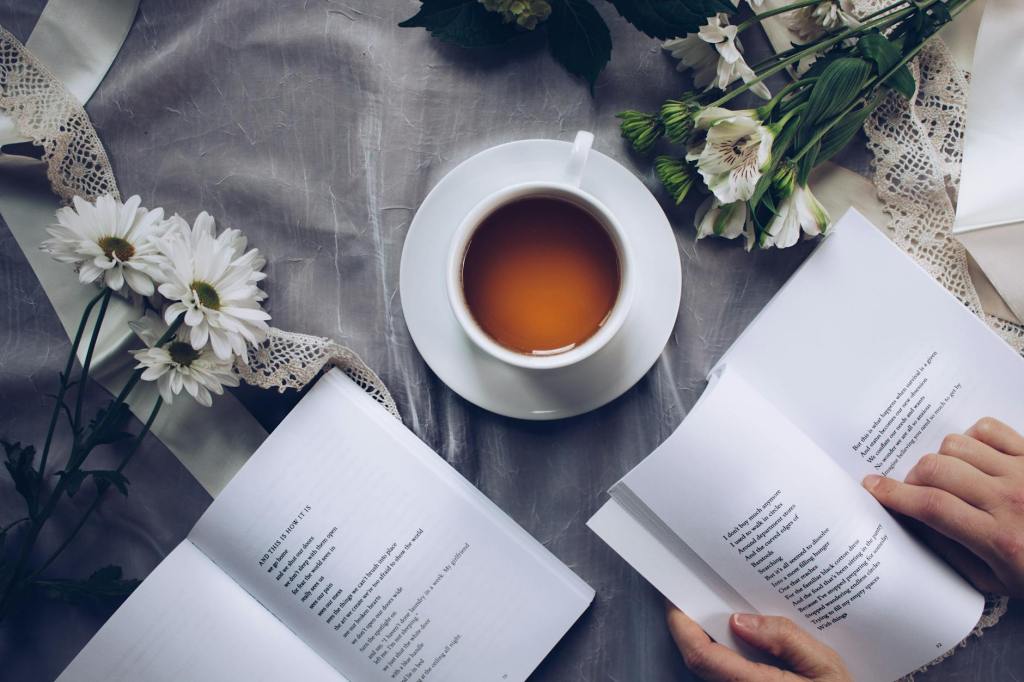
I don’t know about you, but I find it so easy to get caught up with the busyness of my life that I sometimes forget to pause for a second and check in on myself. It’s only when I realise that I’m socially, academically, or everything-ly burnt out, that I wish I had taken care of myself a little more.
This last year has been rather up and down with prioritising self-care. It has also been one of the busiest yet, with twenty-first birthdays, holidays and family gatherings. Earlier in the year I hit social burn out and I started to take care of myself a little more; focusing on prioritising my mental health over which party I was missing. That didn’t last long, did it?
I have hit that stage again, where I feel stupidly burnt out after a busy month. The difference now is that I am going to start taking care of myself, and at whatever cost.
The Importance of Self-Care
When and if you’re feeling like this, the first port of call is to ask yourself what kind of self-care activities you are doing on a daily basis. You may have zero on your list at first thought, however, self-care acts can include things you may do every day. Having a your morning coffee in the kitchen whilst talking to your family members/who you live with; a morning walk; exercise; longer, slower showers or baths; reading; watching the news; nightly Netflix, and so on. These are thought of as more mindless, subconscious acts of self-care, but they can have a relatively good effect on your stress levels.
Then you need to consider what other self-care activities you can implement in your week, not daily. Maybe this includes a self-care focused night, of skincare, journaling, stretching, reading – or anything else that calms you down and you do on your own. Solo dates – whether that be having a coffee not to go, but sitting in the cafe, or taking yourself out for lunch – are also a good way to reconnect with yourself. I know a lot of people find journaling difficult, or find that it stresses you out more, but give it a go too. There are self-care acts for every person, and it’s crucial that we implement them regularly into our lives.
Another important thing to do is to make a list of everything that you can relate to self-care, even if it is a loose connection, like going gym with your friend for example (that shows exercise and social connections!). Write down all those things that give you joy and help to calm you down after a busy day. So, the next time you’re feeling stressed or overwhelmed, you can revert back to this list.
Recognising the Signs of Neglecting Yourself
Recognising the signs that you’re neglecting yourself can be challenging, especially when life is busy and you’re focused on meeting the needs of others – work, studies, comparison and people pleasing. However, the effects of self-neglect can manifest in both subtle and obvious ways, impacting your physical, mental, and emotional well-being.
One of the most common signs is exhaustion—if you’re constantly feeling drained, even after a full night’s sleep, it might be a signal that your body and mind are not receiving the care they need. Additionally, increased irritability, frequent mood swings, and a lack of enthusiasm for activities you once enjoyed can also indicate that your emotional reserves are depleted.
Another telltale sign of self-neglect is the slow deterioration of your physical health – ok, not that drastic, but there will be signs. This could be seen in persistent headaches, muscle tension, or recurring illnesses, like colds, which may be your body’s way of signalling that it’s running on empty. Over time, you might also notice that you’re taking care of your hygiene a little less (gross, I know, but it does happen!), experiencing minor weight fluctuations, bloating, occasional acne, and so on, which are often linked to stress and poor self-care practices. Mentally, you may find it harder to concentrate, make decisions, or manage daily tasks effectively. These symptoms are reminders that self-care isn’t just a luxury, but a necessity for maintaining overall well-being. Recognising these signs early can prompt you to take steps towards rebalancing your life and prioritising your own needs.
How to tackle this? As said above, please prioritise your mental health before it gets to this point. It happens to the best of us, sure, and we all face burn-out from time to time. Recognise when you’re slipping down the road – because I am confident that you have probably been there before – and implement daily or weekly strategies of self-love that help combat this.
It could be as simple as talking to a friend or loved-one about why you are stressed and overwhelmed. It could mean to slow down at work, delegate tasks, prioritise the important things in your life, bringing it all back to the main things: self-care and work. Everything else can wait. Like me, for example, I’ve been taking a break from socials and blogging in order to focus on me. I put everything into work and now I’m slowly building back my hobbies, exercise and relationships/friendships.
How Self-Care Benefits Your Relationships
Self-care might seem like a personal thing, but its benefits extend far beyond yourself, positively impacting your relationships with others. When you take the time to care for your own physical, mental, and emotional health, you bring a better version of yourself into your interactions with loved ones. By managing stress and maintaining a balanced lifestyle, you’re more patient, understanding, and emotionally available. This means you’re better equipped to listen actively, communicate effectively, and respond to others’ needs without feeling overwhelmed or resentful.
Moreover, practicing self-care sets a healthy example for those around you, especially in close relationships like with family members or partners. When you prioritise your well-being, you (implicitly) encourage others to do the same, fostering an environment where mutual respect for personal boundaries and self-respect thrives. This creates a foundation for healthier, more supportive relationships where everyone’s needs are acknowledged and valued. Ultimately, when you’re at your best, you’re able to contribute more positively to your relationships, making them more fulfilling and resilient!
Leave in the comments below what your favourite acts of self-care and self-love are!

Leave a comment