
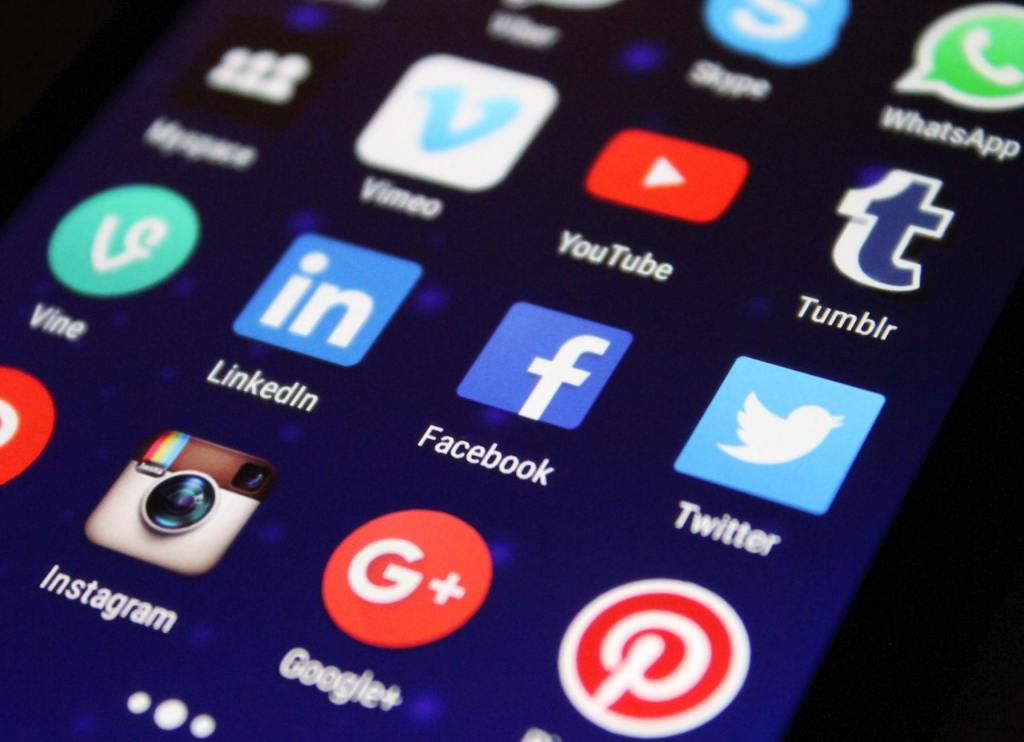
I am sure you have heard so much about the harmful effects of social media, but are you really listening? I am confident that almost every person reading this has experienced some of the negative sides of social networks. Let’s get straight into it.
Social media platforms have become integral parts of our daily lives, shaping how we communicate, consume information, and perceive the world around us. While these platforms offer numerous benefits, such as facilitating connection and providing access to diverse perspectives, they also wield significant influence over our mental well-being.
The Allure of Social Media
Why do we spend so much time online?
Social media platforms are meticulously crafted to capture and retain users’ attention, employing a variety of features and mechanisms that exploit fundamental aspects of human psychology. At the core of their design lies the manipulation of dopamine, a neurotransmitter associated with pleasure and reward, to create a cycle of engagement and validation-seeking behaviour.
One of the most potent tools in this regard is the use of notifications. Whether it’s a ping indicating a new message, a like on a post, or a mention in a comment, these notifications trigger a release of dopamine in the brain, generating a sense of pleasure and satisfaction. This neurological response conditions users to associate the act of checking their social media accounts with a positive emotional experience, reinforcing the habit and leading to compulsive behaviour.
Likewise, the presence of likes, comments, and shares serves as a form of social validation. Each interaction provides a tangible affirmation of one’s social standing and acceptance within their online community, further stimulating the brain’s reward system. Users quickly learn to equate these metrics with self-worth, perpetuating a cycle of seeking validation and approval through continued engagement with the platform.
The continuous stream of content presented on social media feeds creates a sense of FOMO (fear of missing out) and novelty-seeking behaviour. Users are constantly bombarded with updates from friends and family, news articles, viral videos, and trending topics, each vying for their attention. The unpredictable nature of this content, coupled with the fear of being left out or falling behind, compels users to compulsively refresh their feeds in search of the next dopamine hit.
This addiction to social validation and the pursuit of novelty can lead users to spend hours scrolling through their feeds, often to the detriment of their productivity, mental health, and real-world relationships. The allure of social media lies in its ability to tap into our innate desire for connection, affirmation, and novelty, but its relentless pursuit of engagement can ensnare users in a cycle of dependency and validation-seeking behaviour. Recognising these mechanisms is crucial for individuals seeking to regain control over their digital habits and safeguard their mental well-being in an increasingly interconnected world.
Let me ask you know to go onto your phone settings and analyse your screen time. Are you spending countless hours doomscrolling on Instagram or TikTok? Are you going down that YouTube rabbit-hole every night before bed? As soon as we learn our social media habits, it becomes easier to implement ways to reduce our consumption.
The Dark Side of Social Media
- Excessive Use and Mental Health Impact:
- According to a study published in the Journal of Abnormal Psychology, rates of depression among adolescents in the United States increased by more than 60% from 2009 to 2017, with the rise coinciding with the widespread adoption of smartphones and social media platforms.
- Research from the Royal Society for Public Health (RSPH) found that young people who spend more than two hours per day on social media are more likely to report poor mental health, including symptoms of anxiety and depression, compared to those who spend less time online.
- Curated Feeds and Feelings of Inadequacy:
- A survey conducted by the Pew Research Center found that 71% of social media users report feeling pressure to present their best selves online, leading to the curation of content that highlights achievements and positive experiences.
- Research published in the Journal of Social and Clinical Psychology revealed a causal link between time spent on social media platforms like Instagram and increased feelings of loneliness and depression, particularly among young adults.
- Cyberbullying and Online Harassment:
- According to a survey by the Cyberbullying Research Center, 37% of young people between the ages of 12 and 17 have experienced cyberbullying at some point in their lives, with 30% reporting that it happened on social media.
The impact of social media on mental health is a growing concern. Research conducted in the UK sheds light on the significant associations between excessive social media use and negative mental health outcomes.
Studies conducted by organisations such as the UK’s Royal Society for Public Health (RSPH) have found compelling evidence linking heavy social media usage to heightened rates of anxiety, depression, and feelings of loneliness among young people. For instance, a report by the RSPH revealed that young individuals who spend more than two hours per day on social media are more likely to report poor mental health compared to those who spend less time online.
Moreover, the curated nature of social media feeds contributes to feelings of inadequacy and FOMO (fear of missing out) among UK users. A survey conducted by the UK’s Office for National Statistics (ONS) found that over half of social media users felt pressured to present an idealised version of themselves online. This pressure to maintain a flawless online image can lead to increased levels of stress and anxiety, particularly among younger demographics.
In addition to fostering feelings of inadequacy, social media platforms also serve as breeding grounds for cyberbullying and online harassment. Statistics from organisations like the UK Safer Internet Centre indicate that a significant proportion (42%) of UK teenagers have experienced cyberbullying or harassment online, with social media platforms being the primary mediums for such incidents. And according to a survey by the Cyberbullying Research Centre, 37% of young people between the ages of 12 and 17 have experienced cyberbullying at some point in their lives, with 30% reporting that it happened on social media. The psychological toll of cyberbullying is profound, with victims reporting higher levels of psychological distress and lower self-esteem compared to their peers.
These findings underscore the multifaceted ways in which social media can impact mental health. From fostering feelings of inadequacy through curated content to facilitating online harassment and cyberbullying, the negative consequences of excessive social media use are significant. It’s essential for individuals to be mindful of their digital consumption habits and prioritise strategies for maintaining positive mental well-being in an increasingly digital world.
The Role of Comparison
Social comparison theory, a concept deeply rooted in psychology, suggests that humans have an innate tendency to evaluate themselves in comparison to others as a means of self-assessment and self-improvement. While this inclination has existed long before the advent of social media, these platforms have magnified its impact by providing constant opportunities for comparison in a highly curated environment.
When scrolling through our social media feeds, users are bombarded with carefully curated snapshots of others’ lives, often showcasing the highlight reels of vacations, achievements, and happy moments. Inevitably, this flood of idealised portrayals can trigger feelings of envy, resentment, or self-doubt among viewers. Research has shown that individuals who spend more time on social media are more likely to experience these negative emotions, leading to diminished self-worth and increased stress.
Moreover, social media platforms have become breeding grounds for the perpetuation of unrealistic beauty standards, further exacerbating feelings of inadequacy and dissatisfaction with one’s own appearance. From perfectly edited selfies to influencers promoting unattainable body ideals, the constant exposure to these images can have detrimental effects on users’ body image and self-esteem. Studies have linked excessive social media use to an increased risk of developing eating disorders, such as anorexia nervosa and bulimia, as well as other body dysmorphic disorders.
The consequences of internalising these unrealistic standards can be profound, particularly for vulnerable demographics such as adolescents and young adults. Research conducted by organisations like the UK’s National Health Service (NHS) has highlighted the alarming rise in body image issues and eating disorders among young people, with social media playing a significant role in shaping their perceptions of beauty and self-worth.
In essence, while social media offers unprecedented opportunities for connection and self-expression, its pervasive influence on societal norms and individual well-being cannot be ignored. By understanding the ways in which social media amplifies our natural tendency towards comparison, envy, and self-doubt, we can begin to mitigate its negative effects and foster a healthier digital environment that promotes genuine self-acceptance and well-being.
In summary, the impact of social media on mental health cannot be overstated. While these platforms offer connectivity and information, they also drive a cycle of comparison and validation-seeking behaviour. Excessive use contributes to anxiety and depression, while curated feeds perpetuate unrealistic standards, leading to feelings of inadequacy. Cyberbullying further compounds these issues. Recognising these challenges is the first step in promoting healthier digital habits and cultivating a more supportive online community. However, by fostering empathy, authenticity, and positive engagement, we can harness the potential of social media to inspire, connect, and uplift others.

Leave a comment