
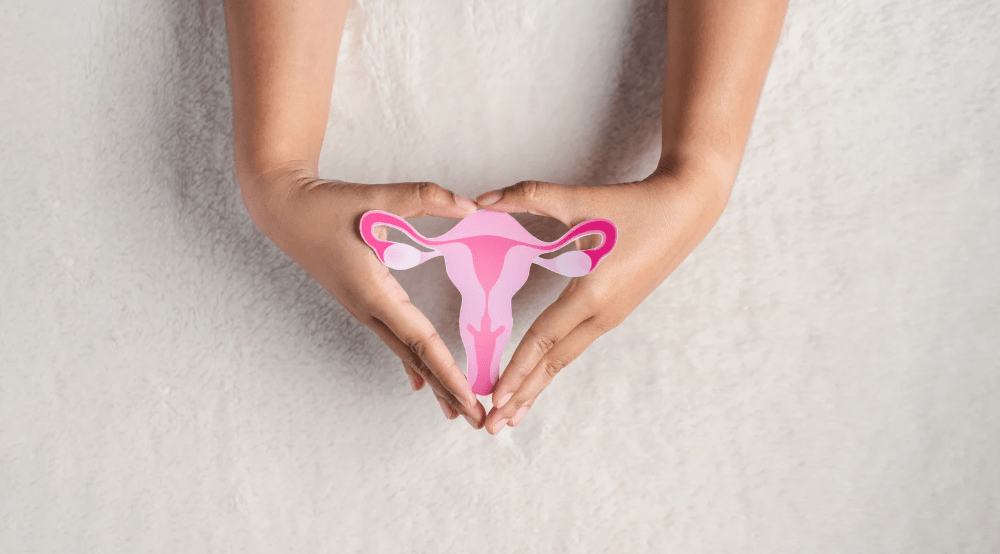
Have you ever found yourself wondering why stress seems to affect women differently, intertwining with the intricacies of health in unique ways? In a world where pressures abound—from societal norms to personal aspirations—women often find themselves navigating a labyrinth of stressors. We balance expectations such as familial to career pressures and appearance and beauty pressures. Yet, amidst these challenges lies an opportunity to explore the profound connection between stress and women’s health, unraveling a tapestry of resilience, empowerment, and self-care.
Riding the Waves of the Menstrual Cycle: First is the menstrual cycle – a finely tuned (but often not, see below) symphony of hormones and biological processes that repeat each month. Lasting roughly between 21 to 35 days, this cycle consists of four distinct phases: menstruation, follicular, ovulation, and luteal. Hormones such as oestrogen and progesterone play key roles in orchestrating these phases, preparing the body for potential pregnancy and keeping our bodies in check.
Stress: The Intruder in the Menstrual Harmony Enter stress, the disruptive force that can throw this delicate balance off track. Chronic stress can interfere with hormone levels, disrupting the intricacy of the menstrual cycle. The result? Irregular periods, missed cycles, and heightened premenstrual symptoms (PMS) that can disrupt daily life. It’s akin to trying to maintain a melody while someone keeps changing the tempo – things just don’t sync up as they should.
Physical Stress on the Body
Physical stress on the body, particularly from excessive exercise, can have profound effects on women’s health, often leading to a condition known as amenorrhea. Athletes, in particular, may find themselves at risk due to the rigorous demands of their training regimens. Amenorrhea, characterised by the absence of menstrual periods, can result from the body’s response to intense physical activity, leading to disruptions in hormonal balance. This disruption, often termed exercise-induced amenorrhea, can have far-reaching consequences beyond the menstrual cycle, impacting bone health, reproductive function, and overall well-being. Despite the misconception that irregular periods are a normal consequence of athletic training, it’s crucial to recognise the potential risks and prioritise holistic approaches to exercise and recovery that support women’s long-term health.
Stress: Navigating Fertility’s Rocky Terrain Moving forward, let’s explore stress’s impact on fertility and conception. Here, stress acts as an unexpected roadblock on the path to parenthood. High levels of stress hormones like cortisol can impair ovarian function, hindering ovulation and reducing the chances of successful conception. Furthermore, emotional stressors such as anxiety and depression can dampen libido and complicate efforts to conceive, adding another layer of complexity to the journey towards parenthood.
Menopause: Navigating the Winds of Change
Finally, we reach menopause – a natural milestone marking the end of a woman’s reproductive years. This phase introduces a flurry of physical and emotional changes, including hot flashes, mood swings, and sleep disturbances. The average length of menopause is 12 years (worldwide) – bringing on a deeper level of stress to the woman’s body. Stress often compounds these symptoms, making the transition even more challenging. Hormonal fluctuations during menopause can heighten vulnerability to stress, amplifying feelings of anxiety and irritability. Moreover, stress can worsen physical symptoms such as hot flashes and night sweats. Additionally, chronic stress during menopause may increase the risk of health issues like osteoporosis and heart disease, while disrupting sleep patterns and exacerbating fatigue. Prioritising stress management techniques, such as mindfulness and exercise, is crucial for women to navigate this phase with resilience and embrace the next chapter of life with confidence.
Finding Calm Amidst the Storm In the face of these challenges, it’s essential to prioritise self-care and resilience. By arming ourselves with knowledge and adopting stress management techniques, we can navigate the twists and turns of women’s health with grace and strength. Whether it’s carving out moments for mindfulness, seeking support from loved ones, or simply prioritising rest, we have the power to weather life’s storms with resilience and grace. Remember, amidst the chaos, there is always room for self-care and nurturing – because when women support each other, incredible things happen.

Leave a comment