
Understanding Stress and Its Impact
Have you ever felt your heart racing, palms sweating, and muscles tensing up in response to life’s challenges? That’s your body’s way of preparing for action, triggered by none other than stress. Stress, often referred to as the body’s natural fight or flight response, is a common reaction to life’s experiences, both big and small. From looming deadlines to unexpected curveballs, stress can manifest in a myriad of ways, ranging from headaches and heartburn to panic attacks and insomnia. But here’s the thing – you’re not alone. Everyone, at some point or another, grapples with stress, be it financial worries, academic pressures, work-related tensions, familial strains, or even the uncertainty brought about by unprecedented events like the COVID-19 pandemic some 4 years ago. Let’s dive deep into its impact on our bodies and minds, armed with knowledge and a sense of resilience.
Symptoms: How to Recognise Stress in Your Life
Recognising stress isn’t always straightforward; it often manifests in subtle ways that may go unnoticed. Irritability, fatigue, changes in appetite or sleep patterns, and difficulty concentrating are common indicators. Understanding these signs can help us identify and address stress before it escalates.
Stress’s Effects on the Body
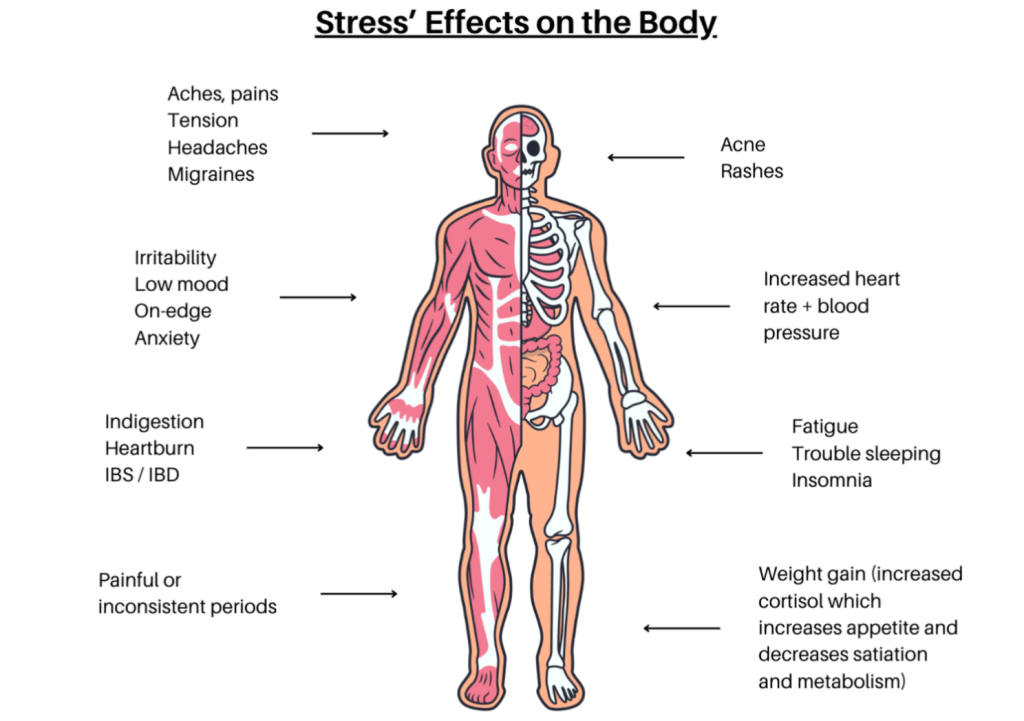
Stress, that ubiquitous force in modern life, exerts a profound influence on our physical well-being, often with a subtlety that belies its potency. When stress becomes chronic or overwhelming, it can disrupt the delicate balance of our body’s systems, triggering a cascade of physiological responses. From elevated heart rates and rapid breathing to tense muscles and compromised immune function, the effects of stress permeate nearly every aspect of our physiology. Moreover, stress has been implicated in a range of health conditions, including cardiovascular disease, gastrointestinal disorders, and even reproductive issues. Understanding these mechanisms sheds light on the intricate interplay between mind and body, underscoring the importance of effective stress management strategies for maintaining optimal health and vitality.
Women’s Health: Stress and its Role in Women’s Well-being
For women, stress can exert unique effects on health, particularly concerning hormonal balance and reproductive health. Recognising these nuances is essential for promoting women’s well-being and ensuring access to appropriate support and resources.
Keep an eye out for a more in-depth article on this topic later in the week.
How Can We Manage Stress: Practical Tips for Stress Relief
While stress may seem omnipresent, there are numerous strategies available to help mitigate its impact. Engaging in regular exercise, practicing mindfulness techniques, maintaining a balanced lifestyle, and seeking support from friends, family, or professionals are all effective approaches to managing stress.

Embracing Stress Management for a Balanced Life
As we navigate the complexities of stress, let’s remember to approach the journey with a sense of optimism and resilience. While stress may present challenges, it also offers opportunities for growth and self-discovery. By embracing stress management techniques and prioritising our well-being, we can cultivate a healthier, more balanced life for ourselves and those around us.

Leave a comment