
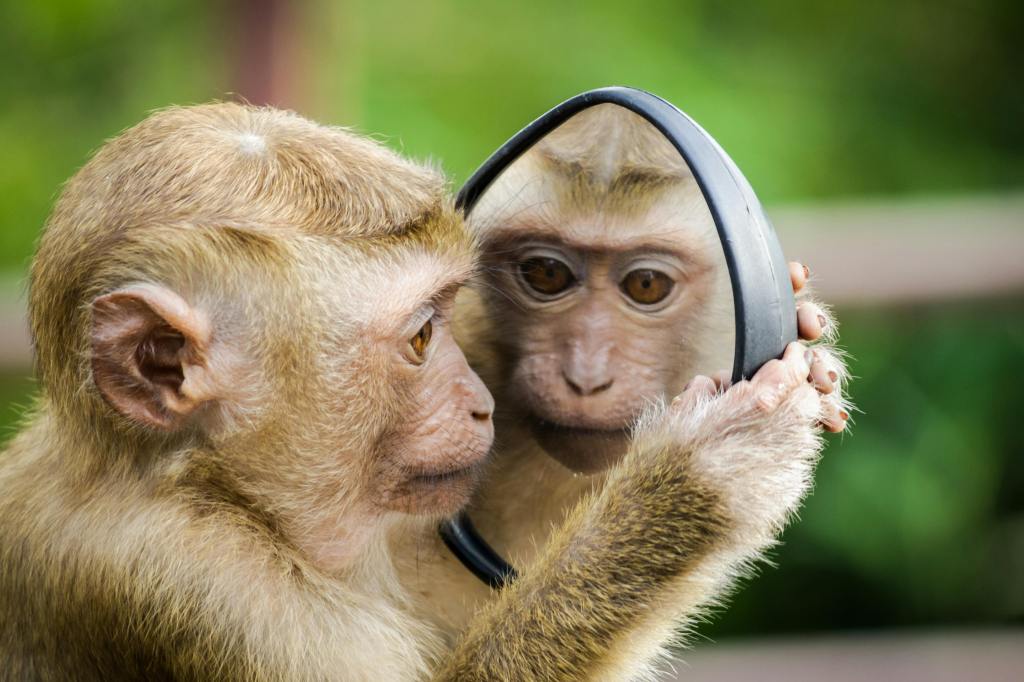
In a world saturated with images of idealised bodies and societal pressures to conform to unrealistic beauty standards, it’s all too easy to fall into the trap of body checking. Whether it’s scrutinising ourselves in the mirror, obsessively weighing in, or constantly comparing our appearance to others, the act of body checking has become an insidious yet pervasive habit for many. However, beneath its seemingly harmless facade lies a deep-rooted source of anxiety, self-doubt, and discontent. In this blog post, we delve into the complexities of body checking, exploring its impact on mental health and self-esteem, while offering practical strategies and insights for breaking free from its grip and embracing a more positive relationship with our bodies.
Understanding Body Checking
Body checking encompasses a range of behaviours centred around the monitoring and evaluation of one’s body. It can manifest in various ways depending on individual preferences, insecurities, and societal influences. For some individuals, body checking may involve frequent weighing, measuring specific body parts, or self-deprecating oneself in front of a mirror for perceived flaws. Others may rely on clothing size as a metric of self-worth or engage in comparing their appearance to others, either in person or through social media. Additionally, body checking can extend to monitoring food intake, exercise habits, or engaging in rituals to alter physical appearance, such as excessive grooming or cosmetic procedures.
Body checking reflects a preoccupation with appearance and a constant quest for validation or reassurance, often driven by internalised societal beauty standards and a desire for acceptance or approval.
The Consequences of Body Checking
Excessive body checking can take a significant toll on mental health, leading to a cascade of negative consequences that affect overall well-being. One of the most pronounced effects is heightened anxiety, as individuals become preoccupied with their appearance and fixate on perceived flaws or imperfections. This persistent worry and self-consciousness can contribute to chronic stress levels, impacting daily functioning and quality of life.
Constant comparison to unrealistic beauty standards and a relentless focus on physical appearance can erode self-esteem and foster feelings of inadequacy or worthlessness. Frequent body checking often fuels a cycle of body dissatisfaction, wherein individuals become increasingly dissatisfied with their physical appearance despite any objective changes. This dissatisfaction can intensify over time, leading to a pervasive sense of discontentment and self-rejection. Such negative body image can infiltrate various aspects of life, impairing relationships, hindering career advancement, and diminishing overall life satisfaction.
Beyond its impact on mental health, constant scrutiny of one’s body can also precipitate disordered eating patterns and foster unhealthy relationships with food. The relentless pursuit of an idealised body image may drive individuals to adopt restrictive eating habits, engage in binge eating episodes, or resort to extreme measures to control weight or shape. This dysfunctional relationship with food can lead to the development of eating disorders such as anorexia nervosa, bulimia nervosa, or binge eating disorder, which pose serious risks to physical health and require specialised treatment. (However in this blog post I am being careful not to offer a diagnosis – this post purely sheds light on the concept of bodychecking and its profound effects on mental health).
Strategies for Overcoming Body Checking
Recognising the detrimental effects that bodychecking behaviours can have is crucial in fostering a culture of body acceptance and promoting holistic approaches to self-care that prioritise mental and physical health alike.
For individuals struggling with body checking behaviors, adopting practical strategies and techniques can help alleviate distress and promote a healthier relationship with their bodies. Here are several tips to consider:
- Practice Mindfulness: Cultivate awareness of your thoughts and feelings without judgment. When you notice yourself engaging in body checking, gently redirect your attention to the present moment and focus on your breath or surroundings.
- Challenge Negative Thoughts: Recognise and challenge negative beliefs about your body by questioning their validity. Replace critical self-talk with affirmations or positive affirmations that promote self-acceptance and compassion.
- Limit Mirror Time: Reduce the amount of time spent in front of mirrors, especially when it triggers negative emotions or self-criticism. Instead, use mirrors for functional purposes only, such as when you get dressed in the morning or for fixing your hair.
- Set Boundaries with Social Media: Curate your social media feed to include content that promotes body positivity and diversity. Unfollow accounts or hashtags that perpetuate unrealistic beauty standards or trigger feelings of inadequacy.
- Engage in Self-Care Activities: Prioritise activities that nurture your overall well-being and boost self-esteem, such as exercise, hobbies, spending time with loved ones, or practicing relaxation techniques like yoga or meditation.
- Focus on Health, Not Appearance: Shift your focus from appearance-based goals to health-centred ones. Embrace a balanced approach to nutrition and exercise that prioritises nourishing your body and supporting its overall function rather than striving for a specific aesthetic.
- Practice Gratitude: Cultivate gratitude for your body’s abilities and strengths, focusing on what it can do rather than how it looks. Keep a gratitude journal and regularly reflect on the things you appreciate about your body and yourself as a whole.
- Set Realistic Goals: Set achievable goals that align with your values and prioritise your well-being. Break larger goals into smaller, manageable steps and celebrate progress along the way.
- Be Patient and Kind to Yourself: Remember that overcoming body checking habits takes time and effort. Be patient with yourself and practice self-compassion, acknowledging that setbacks are a natural part of the journey toward healing and self-acceptance.
By incorporating these practical tips into your daily routine, you can gradually reduce body checking behaviours and cultivate a more positive and nurturing relationship with your body. Remember that progress may be gradual, but every step toward self-awareness and self-compassion is a step in the right direction.
Cultivating Body Positivity and Self-Acceptance
Embracing body diversity and challenging societal beauty standards is essential for fostering a culture of acceptance and inclusivity. Rather than striving to fit into narrow ideals of beauty, we should celebrate the diversity of human bodies in all their shapes, sizes, and abilities. By embracing body diversity, we acknowledge that beauty comes in many forms and reject the notion that worth is determined by appearance alone.
Promoting body positivity involves encouraging individuals to cultivate self-acceptance and self-love, regardless of how closely they align with societal beauty standards. It’s about recognising and honouring the inherent value of every body, regardless of perceived flaws or imperfections. Body positivity is not about ignoring areas for personal growth but rather embracing oneself holistically, including both strengths and areas for improvement.
To illustrate the transformative power of embracing body diversity and practicing body positivity, I’ll share my journey to overcome body checking and to find peace with my body.
For years I based my worth on how I looked in the mirror. I completely ignored the fact that our bodies change daily, as well as throughout the day, and month for women with hormones etc. At one point in my life, I would even take pictures of my abs every morning, thinking it was “to see progress”, when in reality it was a severe case of body dysmorphia created by the need to bodycheck multiple times a day.
This progressed (rather sharply and suddenly) into disordered eating habits and exercise addiction, which then lead into anorexia. For many years, I then struggled with many more symptoms of an eating disorder and an exacerbated case of bodychecking. I had no self-worth, to put it simply.
Eventually I chose recovery. It wasn’t an easy decision (and I am still on this journey today). Instead of setting a goal of gaining X amount of weight in recovery, I instead changed my focus onto healing my relationship with myself, food and my body. I started therapy, journaled, and spent a lot of time self-reflecting, challenging those ED thoughts and beliefs. I learned that self-worth is not based on a number on the scales, your clothes size, or how prominent your abs are (or have any abs at all), but rather who you are on the inside. Corny, sure, but it is so powerful.
My (simplified) story demonstrates that overcoming body checking and cultivating body positivity is a journey filled with ups and downs. However, with determination, support, and self-compassion, it’s possible to break free from harmful habits and embrace a more loving and accepting relationship with our bodies. Let this blog post serve as beacons of hope and inspiration for anyone struggling with body image issues, reminding them that you are worthy of love and acceptance exactly as they are.
Conclusion
In conclusion, overcoming body checking is not just about personal growth; it’s a step towards a more accepting society. By understanding its harmful effects, practicing self-compassion, and celebrating body diversity, we pave the way for a culture of self-acceptance and inclusivity. Let’s support each other on this journey towards embracing our bodies and fostering a more positive relationship with ourselves.

Leave a comment