
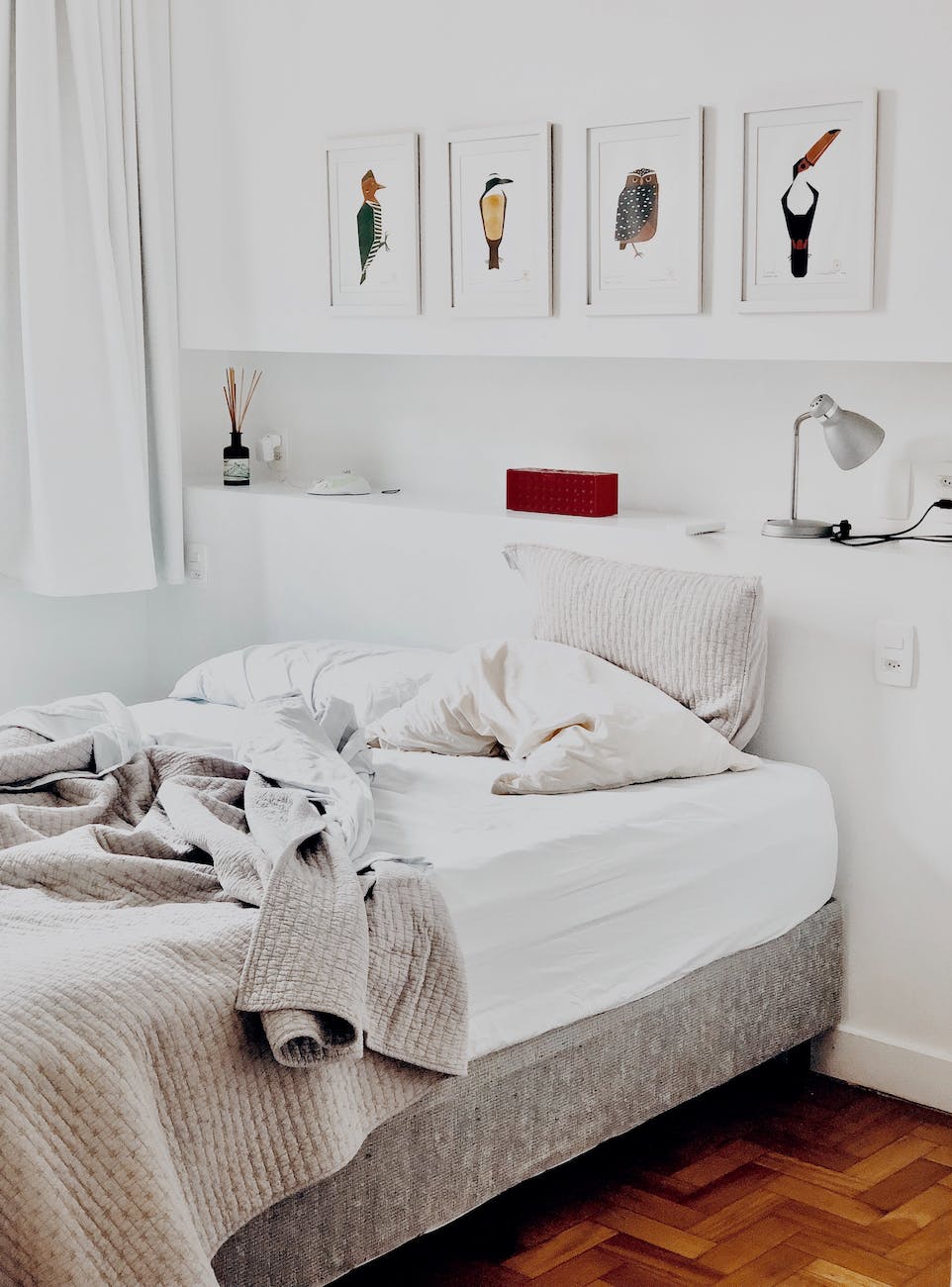
I don’t know about you but recently my sleep quality has been poor. That might have something to do with the fact I watch a good couple hours of Netflix before I put my head down, or I’m more stressed than usual at the moment…
Whatever it is though, I think we all need to set a New Year’s Resolution to work on getting more sleep. This is actually an easy resolution, as there are so many ways to improve sleep (and they’re super simple!) Below you’ll find 10 tips to get better sleep, but remember all tips may not work for you, so be patient with yourself.
- Limit screen time before bed: The blue light emitted by phones, tablets, and computers can interfere with your body’s production of the sleep hormone melatonin. Try to avoid screens at least an hour before bedtime.
- No caffeine after 2pm: Both caffeine (and nicotine) are stimulants that can interfere with your ability to fall asleep. Avoid consuming these substances, especially in the hours leading up to bedtime.
- Limit naps: While short naps can be beneficial, especially for improving alertness and performance, avoid long or irregular napping during the day, as it can interfere with night time sleep.
- Establish a consistent sleep schedule: Go to bed and wake up at the same time every day, even on weekends. This helps regulate your body’s internal clock.
- Create a relaxing bed-time routine: Develop calming pre-sleep rituals, such as reading a book, taking a warm bath, or practicing relaxation exercises to signal to your body that it’s time to wind down.
- Exercise more regularly: Regular physical activity can promote better sleep. However, try to finish your workout at least a few hours before bedtime, as exercising too close to bedtime can have the opposite effect.
- Manage stress: Practice stress-reducing techniques such as deep breathing, meditation, or yoga to calm your mind and relax your body before bedtime.
- Keep your bedroom dark: Use blackout curtains or an eye mask to block out any light in your bedroom. Darkness signals to your body that it’s time to produce melatonin, the hormone responsible for sleep. Turn off any outside lights or unplug devices which have a red ‘off’ light, for example a TV.
- Expose yourself to natural light during the day: Exposure to natural light during the day helps regulate your body’s internal clock and can improve your sleep-wake cycle. Spend time outdoors, especially in the morning, to get exposure to natural daylight.
- Limit alcohol: Alcohol, while initially promoting drowsiness, can disrupt the normal sleep cycle, leading to fragmented and less restorative sleep. It can also contribute to increased wakefulness during the night and a higher risk of developing sleep disorders, negatively impacting overall sleep quality.

Leave a comment