A blog by Pepetoe.

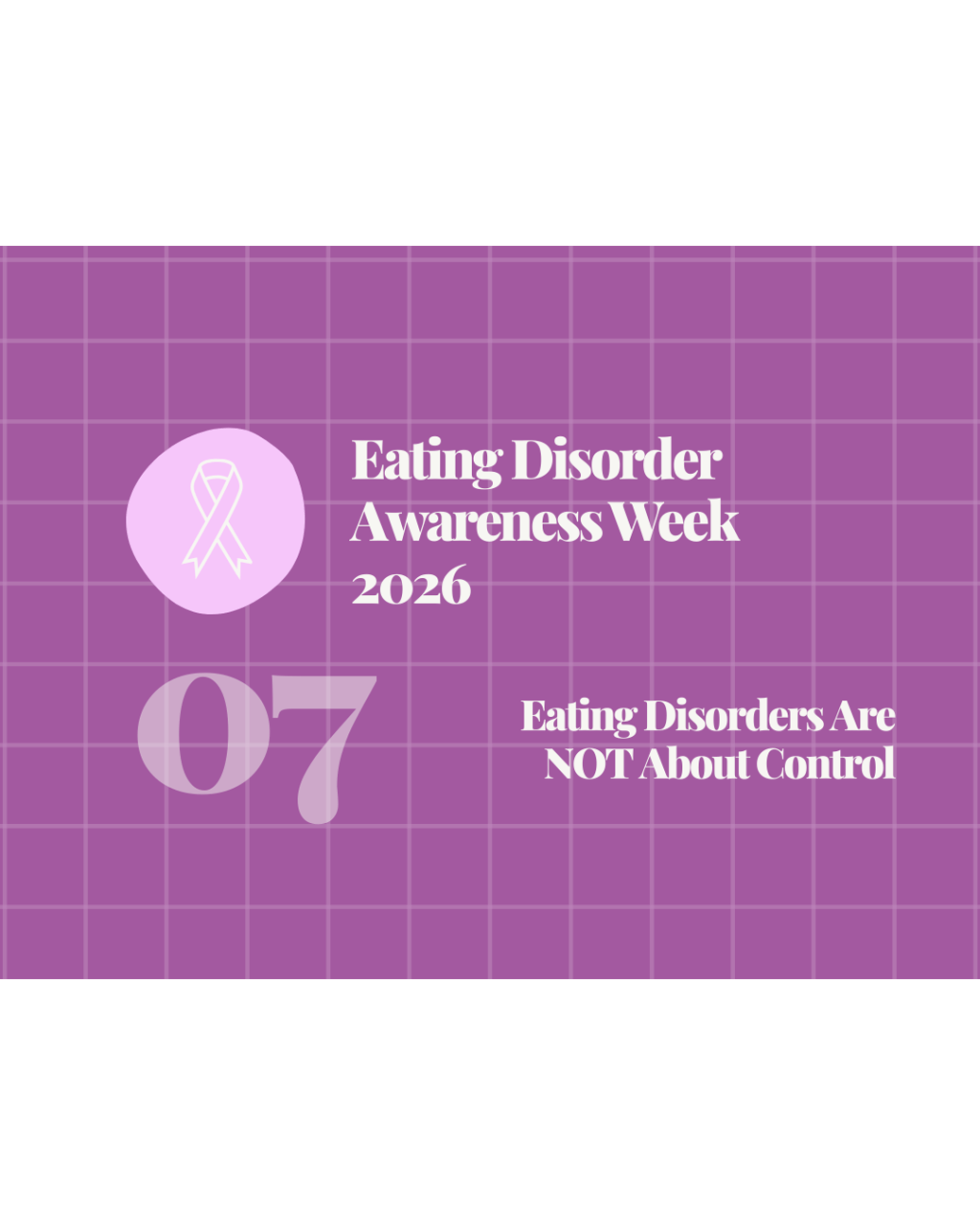
Eating disorders aren’t about food.
They’re about control.
The sooner we collectively understand that, the sooner we stop oversimplifying them. And the sooner we realise that anyone, at any age, in any season of life, can find themselves vulnerable.
Because needing control is not rare. It’s human.
And losing control? That happens to all of us.
Control Is a Universal Human Need
We all crave some level of certainty. We like knowing what’s coming next. We like feeling capable. We like believing we have influence over our circumstances.
But life does not always cooperate.
There are exams.
Breakups.
Career changes.
Financial stress.
Health scares.
Family conflict.
Moving cities.
Pandemics.
Uncertainty is unavoidable. For most people, these situations are stressful but manageable. We adapt. We lean on support. We cope in relatively balanced ways. And at the end of the day, we all have coping mechanisms for these changes in life.
But for some of us, particularly those prone to anxiety, perfectionism, or high sensitivity, uncertainty feels intolerable. When everything else feels unpredictable, the brain looks for something, anything, that can be controlled.
And food is measurable.
Exercise is trackable.
Routines are enforceable.
That’s where the shift can begin.
Why Food Becomes the Target
Food and exercise are accessible. They are daily. They are tangible. They provide immediate feedback.
You can count them.
You can restrict them.
You can increase them.
You can perfect them.
In a world that feels chaotic, food offers structure. But the structure is fragile. What starts as “I just want to feel healthier” can quietly become:
- “I need to control this”
- “I need to do this perfectly”
- “If I stick to this plan, everything will feel okay”
And for a moment, it might. Control can feel calming. That’s the trap. Because the calm is conditional. It depends on maintaining rigid rules. And life does not stay rigid.
It’s Not Just Teenages, And It’s Not Just A Stereotype
There’s still a dangerous misconception that eating disorders are a “teenage girl problem.” They’re not. They affect:
- Adults navigating career pressure
- Parents juggling responsibilities
- Athletes facing performance expectations
- Students overwhelmed by competition
- People going through divorce, grief, relocation, illness
Control issues do not have an age limit. In fact, adulthood can bring new forms of instability, like financial uncertainty, relationship changes, and identity shifts. Things that might reignite the same need for something stable to hold onto.
Eating disorders are not about vanity. They are not about shallowness. They are not about wanting attention. They are often about trying to survive emotionally in an environment that feels unstable.
When Control Becomes Compulsion
The problem is that control over food is never truly enough. Because life keeps happening. More stress. More unpredictability. More moments where things don’t go “how they’re supposed to.”
So the rules tighten. Meals become stricter. Exercise becomes more rigid. Flexibility disappears. What once felt like empowerment becomes imprisonment. And that control slips away. Which is why we start to feel stuck in the eating disorder, and exactly that… imprisoned by it until we are no longer our own person.
And because eating disorders are reinforced by a sense of achievement like “I stuck to it,” “I didn’t give in,” “I was disciplined”, they can feel productive rather than destructive. Until they aren’t.
Why Recovery Doesn’t Remove The Trigger
Here’s something that isn’t talked about enough, on top of all this: Recovery does not remove uncertainty from your life. You can be weight-restored. You can be in therapy. You can be years into recovery. And you will still face stress.
You will still face breakups.
Disappointments.
Mistakes.
Periods of instability.
Days where things feel out of sync.
For someone with a history of using food and exercise as control, those moments can feel like red flags internally, and the old thought patterns can start to resurface:
“At least I can control this”
“This will make me feel better”
“I need something to hold onto”
This is why relapse can happen. Not because someone failed. Not because recovery “didn’t work.” But because the underlying need for control was triggered again. Relapses rarely begin dramatically, either. They can often begin subtly, in ways like:
- Skipping something “just this once”
- Tightening a routine slightly
- Adding an extra workout “to feel better”
- Telling yourself you’re just being disciplined again
And I know how these small shifts can quickly escalate. Because the eating disorder voice remembers exactly how to regain control. And when life feels out of control, that voice can sound convincing.
This is not unique to eating disorders either. It mirrors patterns seen in addiction more broadly. When stress increases, the brain gravitates toward familiar coping mechanisms, even if they are harmful. We seek control in these times, and just because we’re in recovery doesn’t mean that we will never face uncertainty again. We can’t control that. So, to me, I guess recovery is about learning to find new coping mechanisms, new ways to deal with these changes in life that are just inevitable. Or at least that’s what I’m focusing on now: new ways to grow, new ways to heal, new ways to be me.
So What Is Recovery Really About?
If eating disorders are about control, then recovery is not just about food. As I said above, it is about learning to tolerate uncertainty; developing coping strategies that are not self-destructive; building flexibility; and sitting with discomfort instead of immediately trying to fix it.
This might look like:
- Accepting imperfect days
- Allowing routine changes without panic
- Letting yourself rest when plans fall through
- Recognising that uncertainty is not danger
Recovery is not about becoming carefree and “loving food again”. It is about becoming resilient in healthier ways.
You are NEVER Weak For Wanting Control
If you relate to this, if you’ve ever found yourself gripping tighter to food or exercise when life feels unstable, or even just gripping to other seemingly “unhealthy coping mechanisms” (as this can be applied to everyone reading this), please know that you are not weak. You are not dramatic. You are not broken.
You are human.
The desire for control is a survival instinct. The problem is not that you wanted control. The problem is that the method you found became harmful. And that can happen to anyone.
The Bigger Conversation
The more we talk about eating disorders as control-based coping mechanisms rather than “food issues,” the more we reduce stigma. The more adults recognise themselves in the conversation, not just the younger people. The more high achievers recognise themselves. The more people seek help earlier.
Because when we understand that eating disorders are responses to uncertainty, not vanity, we stop asking, “Why don’t they just eat?” And we start asking, “What are they trying to manage?”
That shift changes everything.
Xo Pepetoe

Leave a comment