

Social media has completely transformed how we see ourselves. It’s no longer just a way to stay in touch with friends—it’s a constant stream of curated perfection, setting unrealistic expectations for beauty, lifestyle, and even personality. For young people growing up with Instagram, TikTok, and YouTube, the pressure to look a certain way has never been more intense.
Speaking from experience, as a Gen Z-er, I’ve seen both sides. I remember when social media was just about status updates and checking in at places. My family scrolled through Facebook for fun, and YouTube was filled with harmless content from Zoella and PewDiePie. Then everything changed. Social media evolved from casual entertainment to a relentless beauty contest.
The Evolution of Beauty Standards: A Moving Target
Beauty standards have always been dictated by media, but social media has put them on fast-forward.
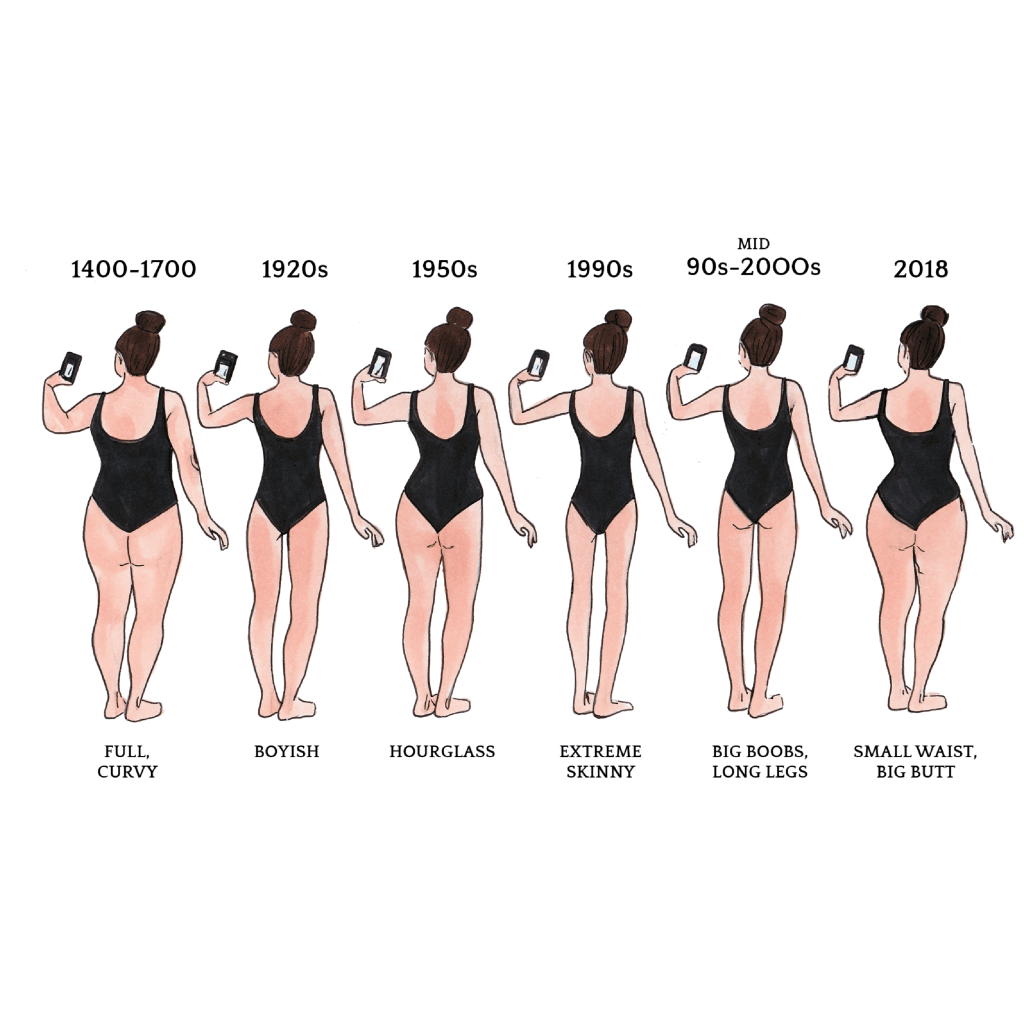
- 1920s: The flapper era embraced a boyish, straight silhouette, with little emphasis on curves.
- 1950s: Marilyn Monroe set the trend for an hourglass figure, celebrating curves and femininity.
- 1990s-2000s: “Heroin chic” dominated—thin, waif-like bodies were idolised in fashion and media.
- 2010s: The Kardashian effect took over, promoting a tiny waist, big hips, and sculpted features—often unattainable without surgery, filters, or Photoshop.
Now, with AI and hyper-edited images, the pressure to look “perfect” has reached new heights. Even celebrities—like when Kate Middleton’s heavily edited family photo went viral—are falling into the trap.
No matter the decade, the goalposts keep moving, and real bodies get left behind.
Curated Perfection: Why We Feel the Pressure
Scrolling through social media, we’re constantly bombarded with flawless bodies, glowing skin, and sculpted abs. And the worst part? Most of it isn’t even real.
- Filters and editing apps can completely reshape a person’s face and body.
- AI-powered content is making it even harder to tell what’s real and what’s fake.
- Influencers and celebrities rarely show their unfiltered reality, creating impossible beauty standards.
Even when we know it’s curated, it’s hard not to compare. I can’t count how many times I’ve posed a certain way, applied a filter, or questioned my self-worth after seeing someone else’s “perfect” life online.
And that’s where the real danger comes in—when we start believing what we see.
The Link to Eating Disorders: When Comparison Turns Toxic
This brings us to Eating Disorder Awareness Week (EDAW) and why conversations like this matter.
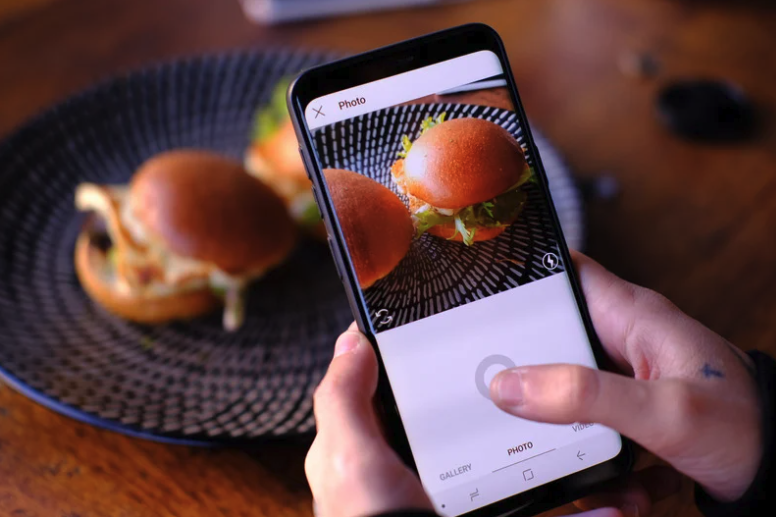
Social media isn’t just making people insecure—it’s actively fuelling disordered thoughts and behaviours. We see it everywhere:
- “What I Eat in a Day” videos promoting unrealistic diets.
- Over-filtered gym selfies making us question our own progress.
- Skinny influencers in tiny corsets setting harmful body expectations.
- “Quick-fix” fitness challenges (yes, Chloe Ting style workouts) that promise abs in two weeks.
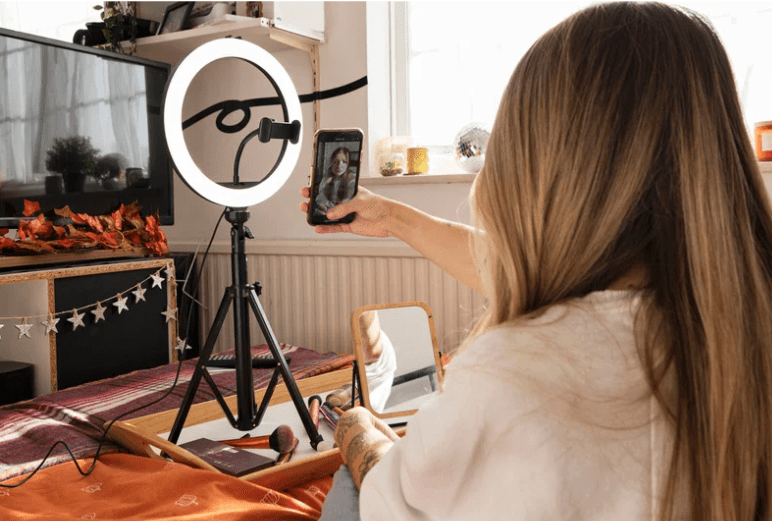
It’s a constant cycle of comparison, self-doubt, and pressure—one that can push people towards unhealthy relationships with food, exercise, and their bodies.
Where Do We Go from Here?
The good news? Change is happening.
More and more people are calling out unrealistic beauty standards, embracing body neutrality, and taking social media breaks to protect their mental health. Some influencers are even shifting towards more authentic, unfiltered content.
But we still have a long way to go. The big question is: when will the industry itself change? When will the major influencers, brands, and media platforms stop profiting from our insecurities?
Until then, the best thing we can do is protect ourselves.
- Curate your feed. Follow accounts that make you feel good, not insecure.
- Unfollow, mute, and block. You don’t owe anyone your attention.
- Remind yourself that social media is not real life. Even the most “authentic” posts are often curated.
- Prioritise mental health over online validation. You are so much more than your Instagram grid.

This Eating Disorder Awareness Week, let’s start questioning what we consume online—and how it makes us feel. Because at the end of the day, the goal shouldn’t be to look “perfect.” It should be to feel free.

Leave a comment