
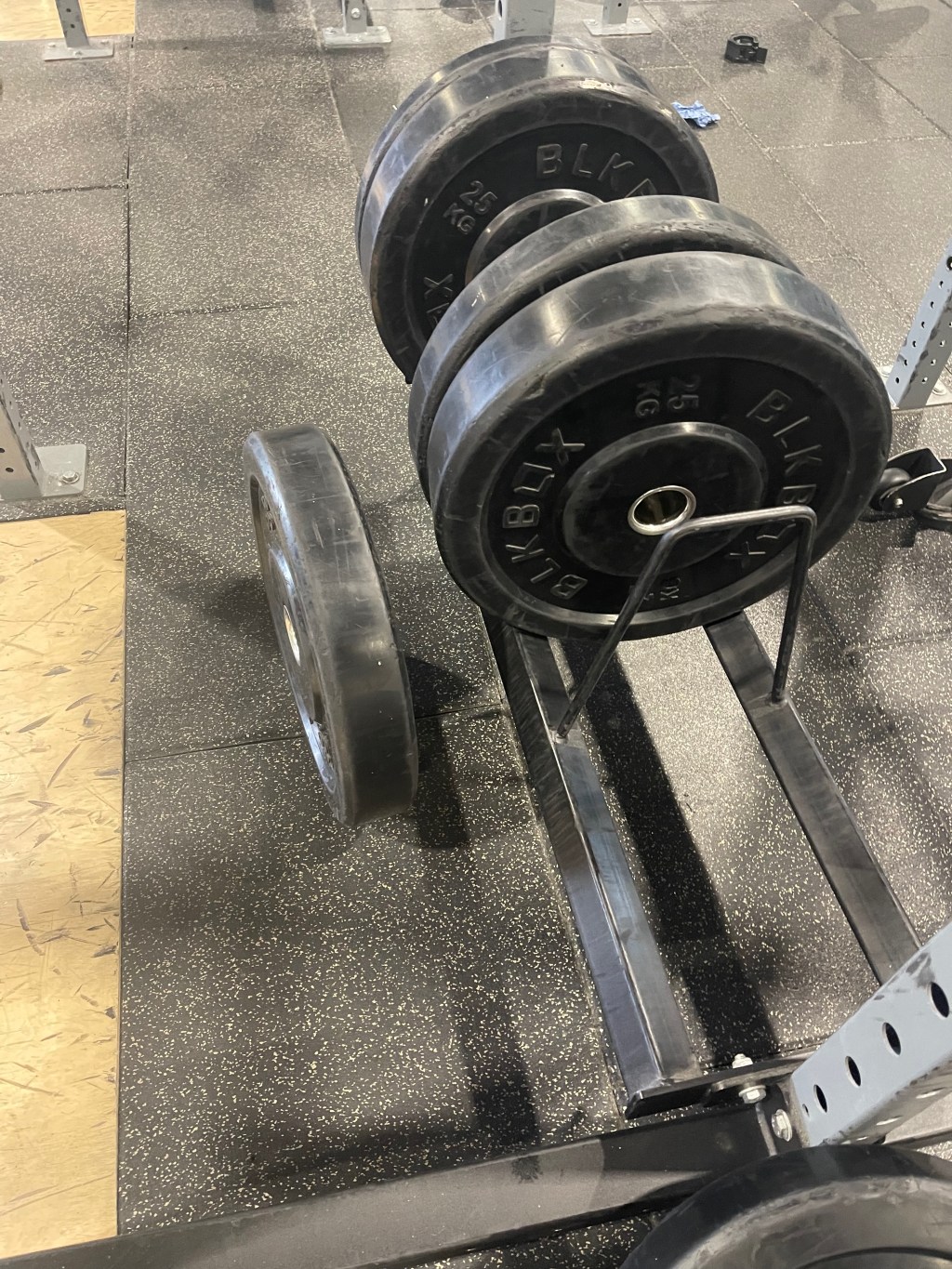
There was a time when I thought missing a single workout would be the end of the world. Spoiler: the world didn’t end—but my obsession nearly did. Fitness used to mean everything to me, though not in a healthy way. Every workout was fuelled by guilt, every rest day haunted by shame. It took years of unlearning toxic habits to finally understand: movement is meant to heal, not hurt.
NB: Fitness is one of the few topics I usually steer clear of on Pepetoe. If you’re just starting out in recovery, this post might help, but I’d recommend reading it when you’re in a good frame of mind. 😊
For many of us, fitness is a stress-reliever; the gym is our safe haven. It’s one of the few times we get to switch off, plug in our headphones, and leave the world behind. When it stays that way, working out can be a fantastic tool for self-care. But for so many people, it can turn into something much more harmful.
When workouts shift from reducing stress to punishing yourself after a bad day, that’s when the red flags appear. It can be difficult to spot at first. Fitness and “being healthy” are often portrayed as aspirational ideals, especially on social media and TikTok’s “GymTok.” Excessive exercise is glamorised as dedication and discipline, but in reality, it’s anything but healthy.
I know this because I’ve been there. For years, workouts and runs stopped being fun. Instead, they became my way of running away from my problems. I wouldn’t even let myself acknowledge how miserable I was—I convinced myself it was “healthy” and “worth it.” The truth is, doing 3+ workouts a day is never healthy (unless, maybe, you’re an Olympic athlete with a strict training plan), especially if you’re underfuelling.
Before the pandemic, I genuinely loved working out. The gym was my outlet. But when Covid hit, I became consumed by the fear of gaining weight, pushing my body relentlessly every single day.
What happened next?
Years of punishing my body, neglecting its needs, and damaging both my physical and mental health led to one inevitable truth: I was no longer healthy. Eventually, I realised fitness isn’t about looking healthy; it’s about being healthy. And that looks different for everyone.
Don’t get me wrong—letting go of those habits wasn’t easy. For a long time, exercise was my way of feeling in control when life felt chaotic. But with years of therapy, support from family and friends, and a lot of internal work, I slowly began to change my mindset.
I reframed my thoughts about exercise. Workouts should leave me feeling good, not weighed down by guilt over what I ate the day before or by stress. I started listening to my body—what it needed, including rest. It hasn’t been a perfect journey, but rethinking my relationship with fitness has been so liberating.
No, it didn’t happen overnight. As I’ve said, it’s taken years of work, and I’m still not where I’d like to be in terms of fully recovering from exercise addiction and anorexia. But I genuinely believe it all comes down to a change in mindset.
You don’t want to spend your life chained to a treadmill—it’s exhausting, not just for your body but for your mind. Letting go of that narrative has given me space to focus on other important parts of my life, like work, study, friendships, and most importantly, myself. For years, my thoughts revolved around my next workout or the most creative way I could restrict calories.
Now? It’s freeing to let that go.

Leave a comment